
Handbags
Moroccan leather accompanies. The patina bears witness. Each day leaves its mark.

July 21, 2026 • Reading time: 7 minutes
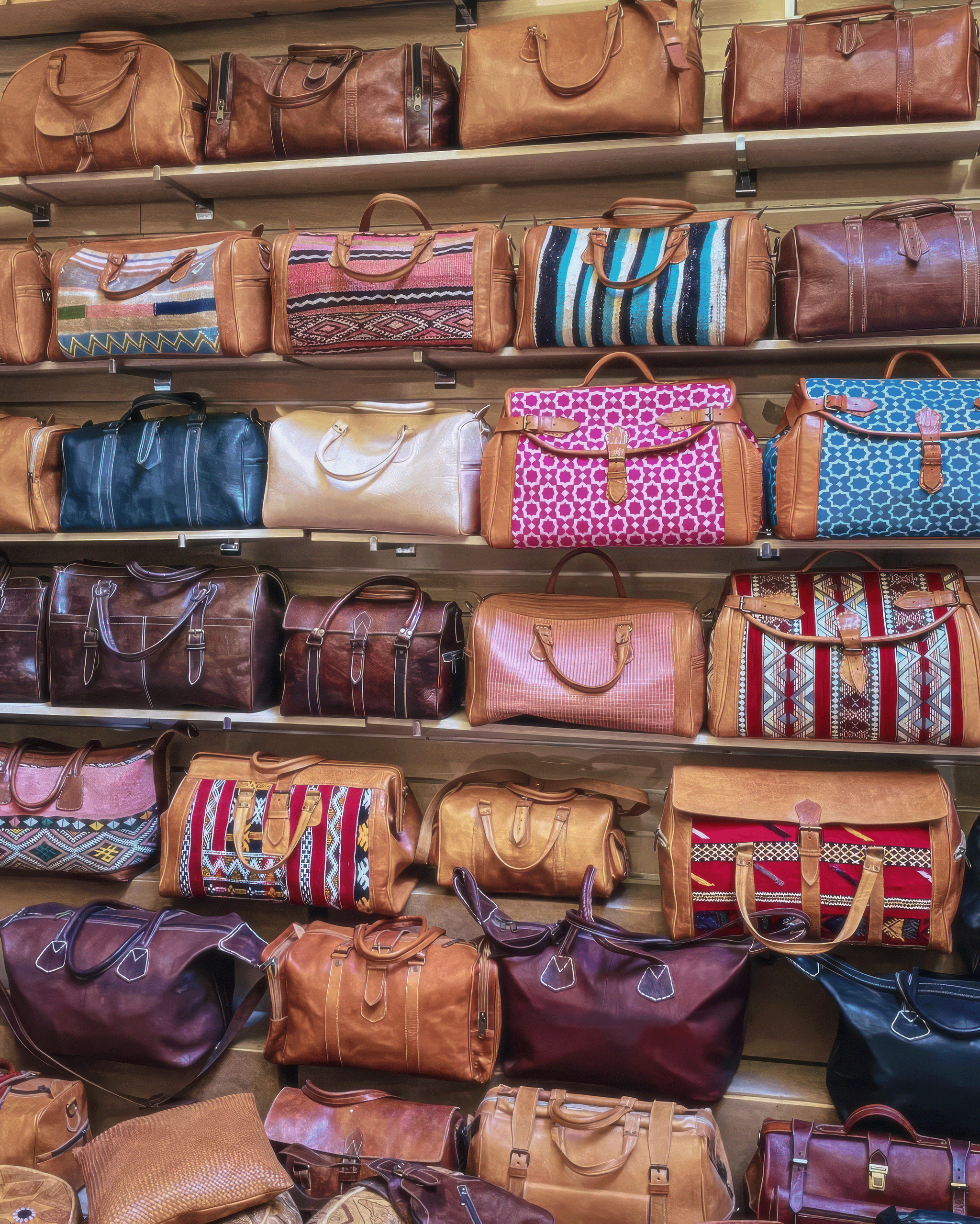
Most bags are bought for a season. You choose the colour, you carry it for a while, and when the corners fray or the trend moves on, you replace it. The bag was never meant to last, and it doesn't.
A real Moroccan leather bag is a different kind of purchase. Made from vegetable-tanned full-grain hide and stitched by hand, it isn't at its best on the day you buy it — it's at its best five years in, when the leather has softened to your shoulder and darkened into a patina that no factory can print. Choose the right one and you are not buying for this season. You are buying for the next decade.
That changes how you should shop. The question stops being "which one looks nice" and becomes "which one fits the life I actually live, and is it built to survive it." This guide walks you through both — the styles worth knowing, what a fair price really buys, and how to judge a bag before you commit.
Almost every regretted bag purchase comes from the same mistake: choosing by photo instead of by use. A bag that looks perfect on a screen can be the wrong shape for your commute, your laptop, or the way you actually move through a day.
Start with your day, not the product page. Are you carrying a laptop and a notebook to work? A change of clothes for two nights away? Just the essentials, hands free? Each of those points to a different bag — and Moroccan leather makes a distinct, well-proven version of each. Get the shape right first, and every other decision gets easier.
Moroccan leather craft has settled, over generations, on a handful of forms that simply work. Three of them cover the vast majority of what people actually need.
The tote — cabas in the Moroccan workshop — is the open-topped, structured carry-all built for daily life. It holds a laptop, a folder, a bottle, and the small chaos of a working day without losing its shape.
Who it suits: anyone who carries a lot, every day. Professionals, students, parents, commuters. If one bag has to do most of the work in your life, this is usually it.
What to look for: full-grain leather with enough body to stand up on its own, reinforced handle joins (the first place a cheap tote fails), and a base firm enough to keep its shape when loaded. In vegetable-tanned leather, a tote is the piece that shows patina most beautifully, because it's the one you touch most.
The hobo is the relaxed counterpoint to the tote — a soft, slouchy shoulder bag with a natural curve and a single strap that sits close to the body. It carries the essentials without the structure or the formality.
Who it suits: people who want to move light and hands-free, and who prefer softness and ease over a rigid, businesslike shape. It's the bag for the day that isn't about work.
What to look for: here, softness is the point — but there's a difference between leather that's soft because it's good full-grain and leather that's soft because it's thin and coated. Use the tests below. Check the strap especially: on a hobo, the whole weight rides on one shoulder seam.
The weekender — the leather duffle — is the short-trip bag: room for two or three nights, a shape that softens with every journey, and the kind of leather that looks better the more places it's been.
Who it suits: frequent short-trip travellers, and anyone who wants one beautiful bag for the overnight and the weekend rather than a nylon holdall that ages into landfill.
What to look for: this is the hardest-working bag you'll own, so construction matters most. Look for a sturdy base, well-anchored handles and strap, and a zip or closure that feels built to last. A weekender is carried full and carried often — it earns its patina faster than any other piece.
Price is where most people either overpay for a name or underpay for something that won't last. With Moroccan leather, the honest way to read a price is to work backwards from what goes into the bag.
A handmade, vegetable-tanned, full-grain bag represents real, countable inputs: quality hide, a tanning process measured in weeks, and many hours of skilled hand-stitching. Those inputs have a floor. Below a certain price, something has been cut — the leather is chrome-tanned and coated, the "hand-stitching" is machine-run, or the maker is being paid too little to keep doing the work.
Read price in tiers rather than chasing the lowest number:
A "handmade Moroccan leather bag" priced like a fast-fashion accessory isn't a bargain — it's a different, lesser product wearing the same words. Pay for the leather and the hours, not for the logo or the discount.
Style and price get you to a shortlist. Before you buy, judge the bag itself on the same standard that separates real Moroccan leather from imitation. If you want the full method, we walk through it in how to buy authentic Moroccan leather — but here is the short version for bags specifically:
A vegetable-tanned leather bag doesn't need much, and it doesn't want plastic-based sprays or harsh cleaners. Keep it out of prolonged direct sun and away from soaking rain. Wipe dust off with a dry cloth. A light, natural leather conditioner once or twice a year keeps it supple. And then — mostly — use it. Sunlight through a window, the oils from your hands, the ordinary contact of daily carry: these are what build patina. The bag doesn't age despite being used. It ages because it is.
A Moroccan leather bag is worth choosing slowly. Start with how you carry your day, and let that point you to the shape — the tote for the daily load, the hobo for the light and easy, the weekender for the short trip. Read the price for what it honestly buys. Judge the leather and the stitching against a standard you now know well. Do that, and you won't be buying again next season.
You'll be carrying the same bag in ten years — softer, darker, and more yours with every mile.
Explore the Morazon collection → — totes, hobos, and weekenders in full-grain, vegetable-tanned leather, each made by a named artisan.
Share this article


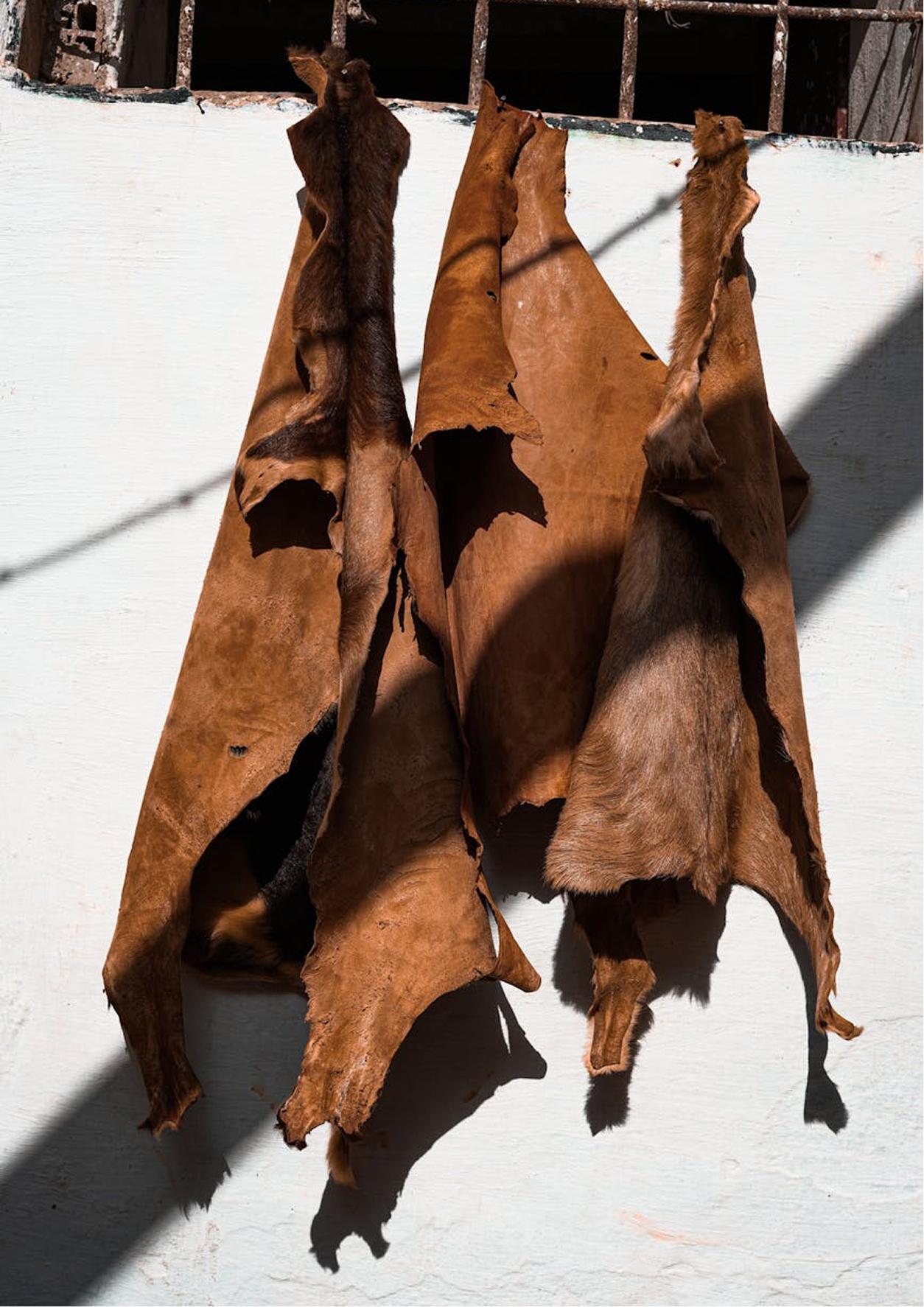
Learn to tell genuine vegetable-tanned Moroccan leather from imitation — the 7 tests, the red flags, and the proof to demand before you buy.
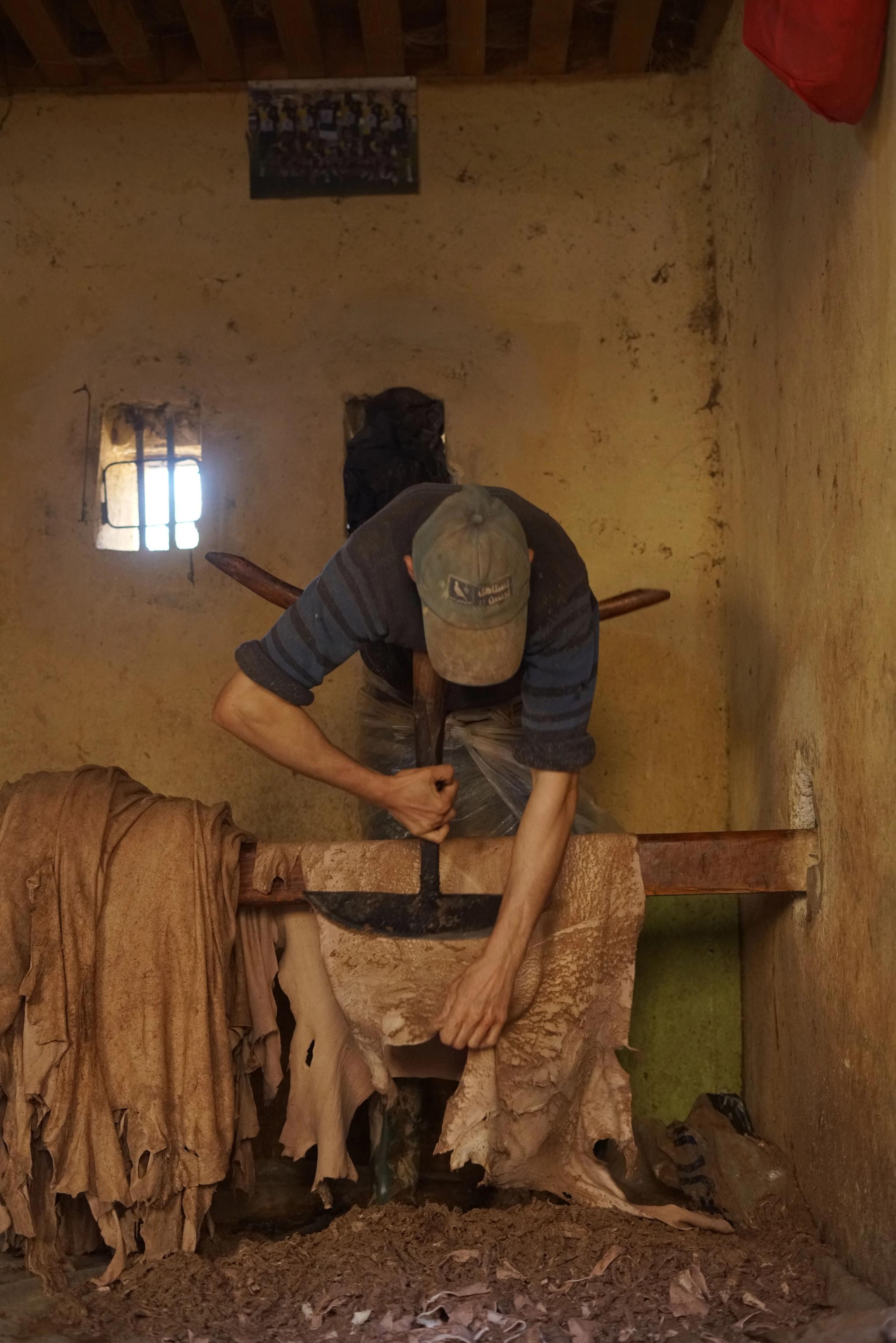
A clear breakdown of what you actually pay for in handmade leather — the hide, the weeks of tanning, the hours of stitching, and the maker's share. Why cheap leather is the expensive choice.

