
Handbags
Moroccan leather accompanies. The patina bears witness. Each day leaves its mark.

July 15, 2026 • Reading time: 9 minutes
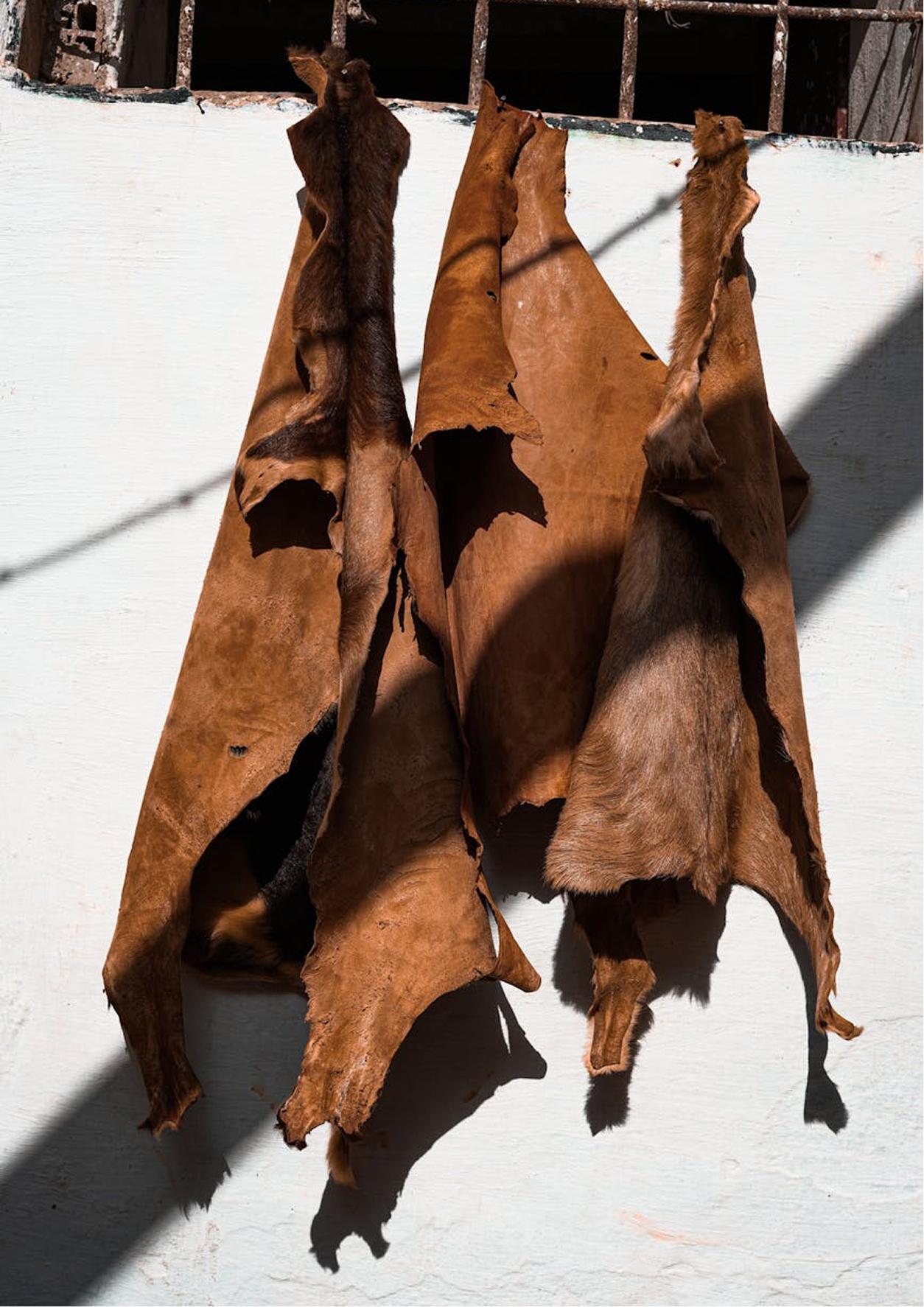
Two bags sit side by side. Both are stamped "Moroccan leather." Both are the colour of dark honey. One costs the price of a nice dinner; the other costs a week's groceries.
A year later, the cheaper one has cracked along the fold, the surface flaking where your hand rested most. The other has darkened into something richer than the day you bought it — a deep, glassy patina that looks less like wear and more like the bag finally becoming itself.
The difference was never the price tag. It was what the leather actually was, and how it was made — two things almost no label tells you honestly.
This guide gives you the tests a Moroccan maalem (master craftsman) uses to judge a hide, so you can judge one yourself before you spend a single dirham. By the end you'll know what "Moroccan leather" really means, how to separate the genuine article from tourist imitation, and exactly what proof a serious seller should be able to show you.
Moroccan leather is not a marketing region. It is a craft tradition older than most countries, centred on tanneries like Fez's Chouara and Marrakech's Bab Debbagh, where hides have been turned into leather in stone vats for close to a thousand years. Done properly, the process is slow, physical, and unmistakable.
The problem is that "Moroccan leather" has become a phrase anyone can print. Souvenir stalls, drop-shippers, and mass importers all use it, because it carries a romance that sells. Much of what wears the label today is chrome-tanned split hide finished with a plastic coating — leather in the loosest sense, made in a factory that could be anywhere, then routed through Morocco long enough to earn the name.
So the phrase alone tells you almost nothing. What matters is the answer to two questions: how was the hide tanned, and how much of the original grain remains? Everything else follows from those.
The most expensive-sounding words on a leather label are often the cheapest.
"Genuine leather" is not a compliment. It is a grade — and a low one. It usually means the hide has been split, sanded to remove its natural surface, and stamped with a fake grain pattern. It is real animal hide, technically, but the part that gives leather its strength and character has been shaved away.
Full-grain leather is the opposite. It keeps the entire top layer of the hide, pores and small marks and all. That intact surface is what lets the leather breathe, resist wear, and develop patina instead of peeling. Every serious leather good — Moroccan, Italian, or otherwise — starts here.
When you read a product page, watch the vocabulary closely:
If a seller of "premium Moroccan leather" will not say the words full-grain, assume they are avoiding them for a reason.
This is the single biggest divide in the whole category, and once you understand it you will see through most imitation on sight.
Chrome tanning treats the hide in a bath of chromium salts. It is fast — a few days from raw hide to finished leather — and cheap, which is why the overwhelming majority of commercial leather is made this way. Chrome-tanned leather is soft and colour-stable from day one, but it does not age. It stays exactly as it looks the moment you buy it, and when it fails, it cracks or peels rather than mellowing.
Vegetable tanning uses tannins drawn from tree bark, leaves, and pods — the method Moroccan tanneries have used for centuries. It is slow, often taking weeks rather than days, and it demands skill at every stage. The reward is leather with structure and life in it: firm at first, then softening to the shape of your use, and darkening over years into a patina no two pieces ever share.
Here is the plain version:
Authentic Moroccan leather worth paying for is vegetable-tanned full-grain. If a listing cannot tell you which tanning method was used, that silence is your answer.
You will not always have the piece in your hands before purchase — but when you do, these are the checks a craftsman makes in seconds. Save this list. It works on any leather good, anywhere in the world.
Even without touching the product, the way a piece is sold usually reveals it. Walk away when you see:
Here is the standard worth holding sellers to. Authentic Moroccan leather has nothing to hide, so the people who make and sell it honestly can answer, in specifics:
At Morazon, this standard is the product. Every piece is vegetable-tanned full-grain leather, made by a named artisan whose work we document from hide to finish. Each order arrives with a numbered certificate, a card naming the maker, and an offcut swatch of the same leather your piece was cut from — so the proof isn't a claim on a page, it's in your hands. We publish how much of the price the artisan keeps, and we never run a discount, because the work does not need one. You do not have to take any of it on faith. You can run all seven tests yourself.
Italian leather has spent decades building a reputation as the global benchmark, and it earned it. But the assumption that Moroccan leather sits a tier below is a marketing habit, not a material fact.
Both traditions, at their best, rest on the same foundations: full-grain hides and genuine vegetable tanning, worked by hand. Tuscany and Fez are doing versions of the same slow, plant-based craft. The honest difference is recognition, not quality — Italian heritage is famous, and Moroccan heritage is still, to much of the world, a discovery. Judge either one by the leather itself, not the flag on the label, and the gap you were told to expect mostly disappears.
You now know more about judging leather than most people who sell it. You can name the two questions that matter — how it was tanned, and how much grain it keeps. You can run the seven tests. You can read the red flags in a listing before you ever add to cart, and you know exactly what proof to demand.
Use it. The reward for getting this right is not just avoiding a bag that cracks in a year. It is owning something that gets better the longer you carry it — a piece that records your life in its patina instead of falling apart under it.
Explore the Morazon collection — every piece full-grain, vegetable-tanned, and made by a named artisan.
Share this article


&media=https%3A%2F%2Fcdn.sanity.io%2Fimages%2Fkfxq7yow%2Fproduction%2F3830726e71c6d9b8911478a3d591d6f27d7b9679-1254x1774.jpg)
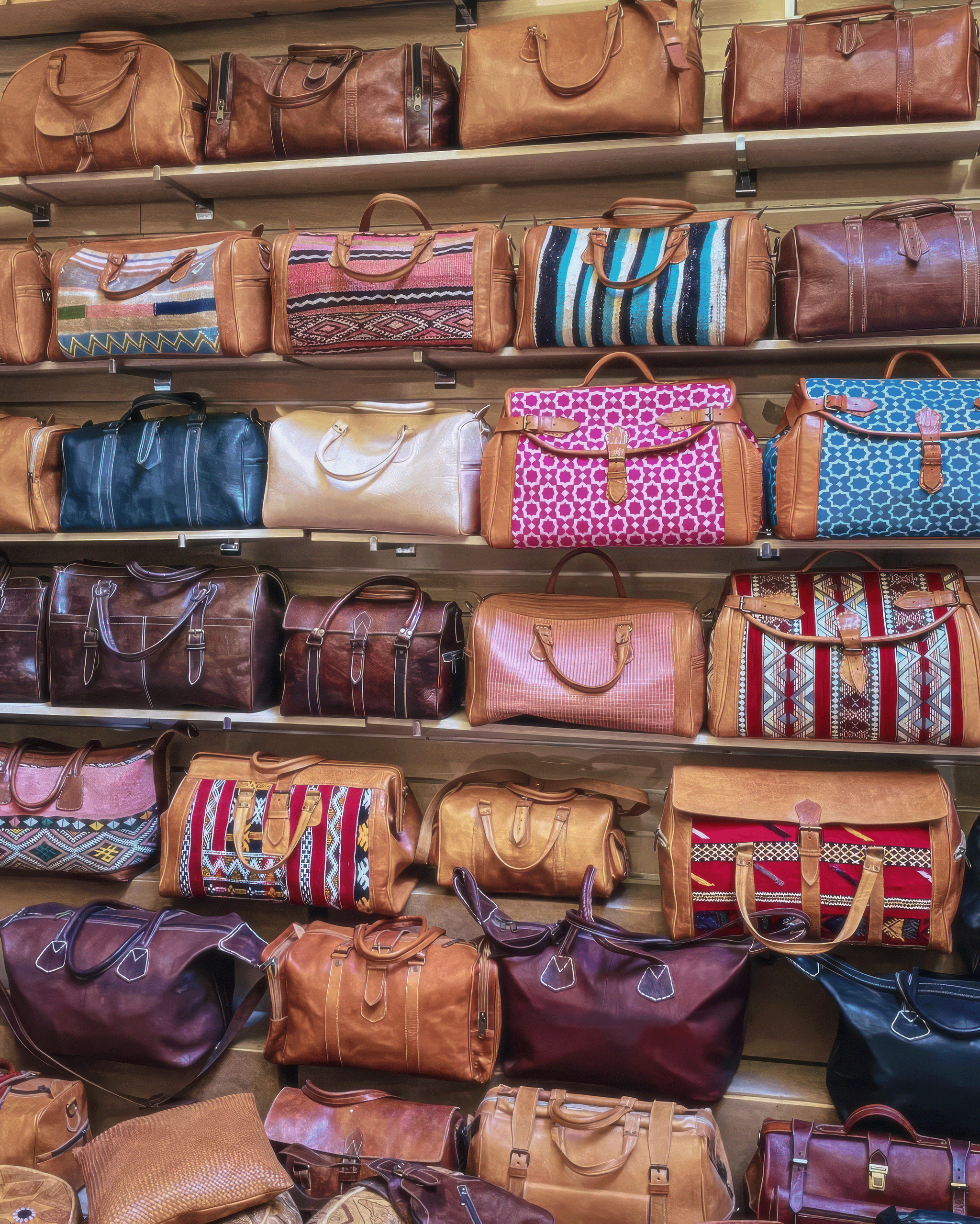
A buyer's guide to Moroccan leather bags — which style fits your life, what a fair price buys, and how to pick one that ages for decades instead of seasons.
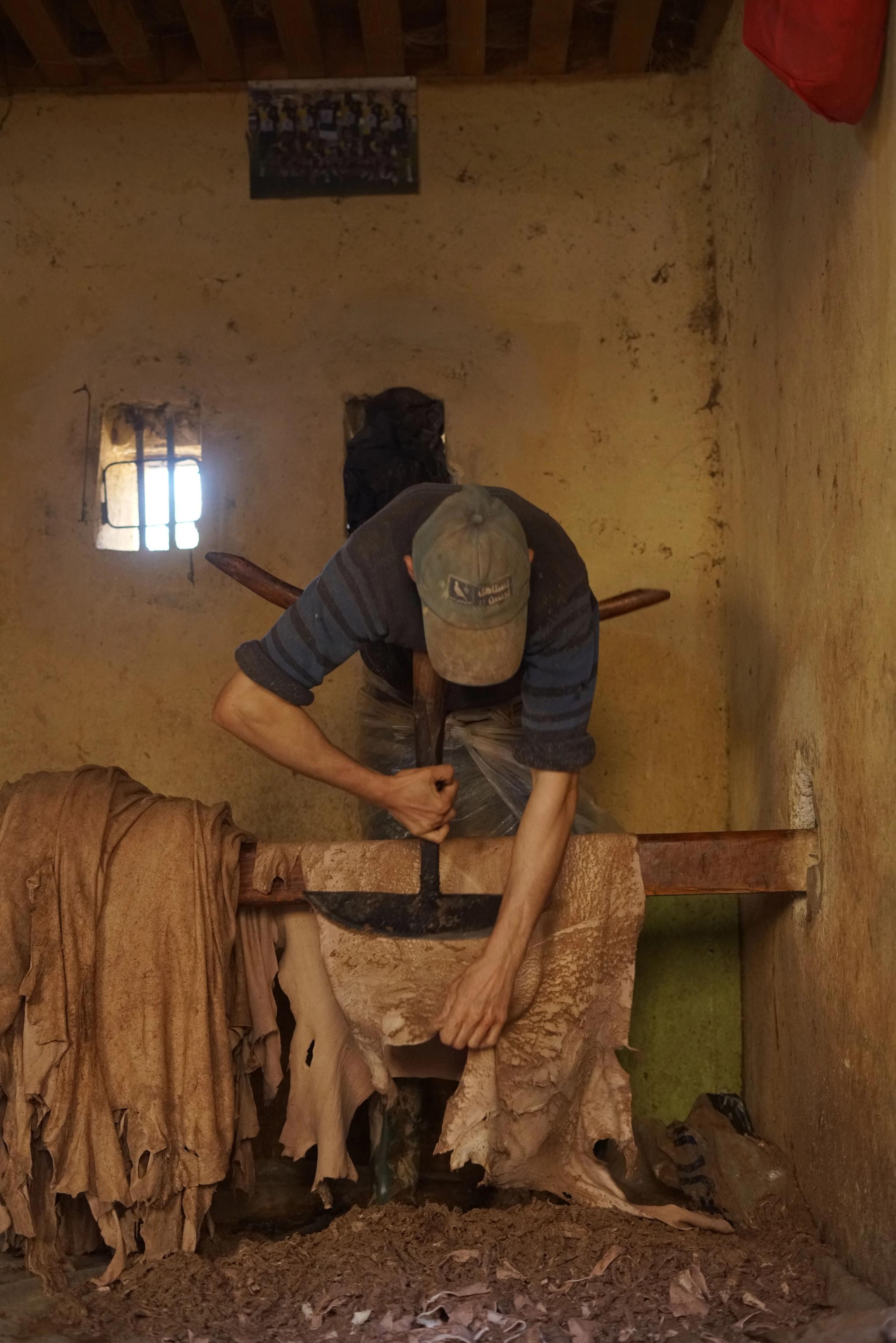
A clear breakdown of what you actually pay for in handmade leather — the hide, the weeks of tanning, the hours of stitching, and the maker's share. Why cheap leather is the expensive choice.

